Orange County Heart Institute

Peripheral Arterial Exam

A peripheral arterial exam is a non-invasive test used to check blood flow in the arteries of your arms and legs—the “peripheral” parts of your body.

Peripheral Arterial Exam

What it looks for

It helps detect Peripheral Artery Disease (PAD), a condition where arteries become narrowed or blocked due to plaque buildup.

Common types of peripheral arterial exams

1. Ankle-Brachial Index (ABI)

  • Compares blood pressure in your ankle vs. your arm
  • Lower pressure in the ankle can mean blocked arteries

2. Doppler ultrasound

Uses sound waves to:

  • Visualize blood flow
  • Detect blockages or narrowing

3. Segmental pressure testing

  • Measures blood pressure at different points along your legs
  • Helps pinpoint where a blockage may be

4. Pulse volume recordings (PVR)

  • Measures changes in blood volume with each heartbeat

How it’s done

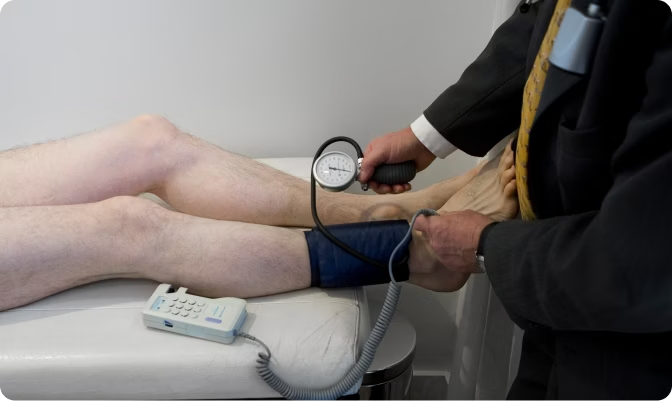
  • Blood pressure cuffs are placed on your arms and legs
  • A small ultrasound probe may be used

You may be tested:

  • At rest
  • After walking on a treadmill (to reveal hidden problems)

What doctors learn

  • Whether blood flow is normal or reduced
  • The location and severity of any blockages
  • How well your circulation responds to activity

Symptoms that may lead to this test

Doctors may order it if you have:

  • Leg pain when walking (claudication)
  • Numbness or weakness in legs
  • Cold feet or slow-healing wounds
  • Known risk factors (smoking, diabetes, high cholesterol)

Schedule a Consultation

Ready to take the next step? Contact our friendly team to schedule a consultation today.